
Mother’s Ectoplasm
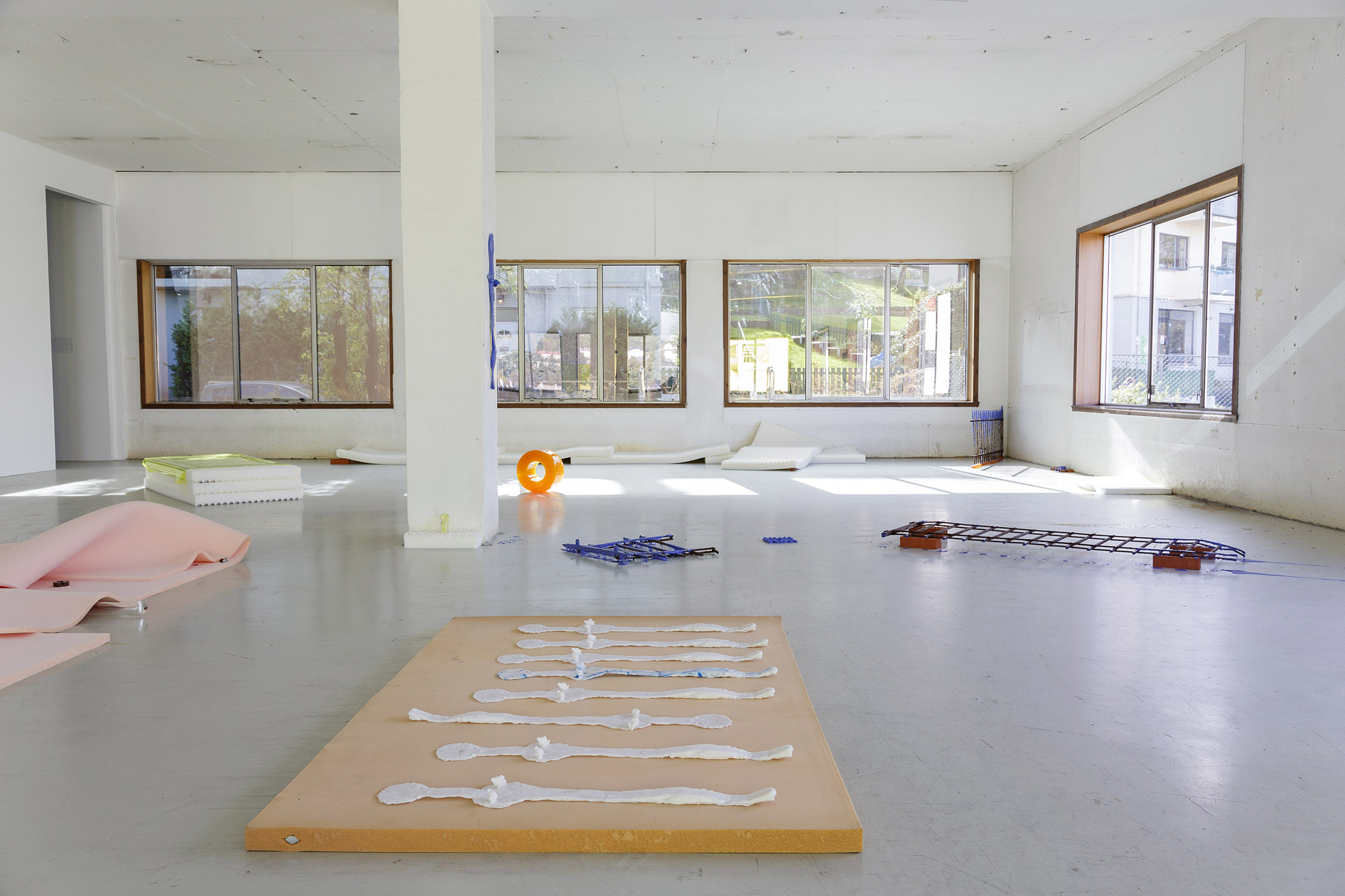
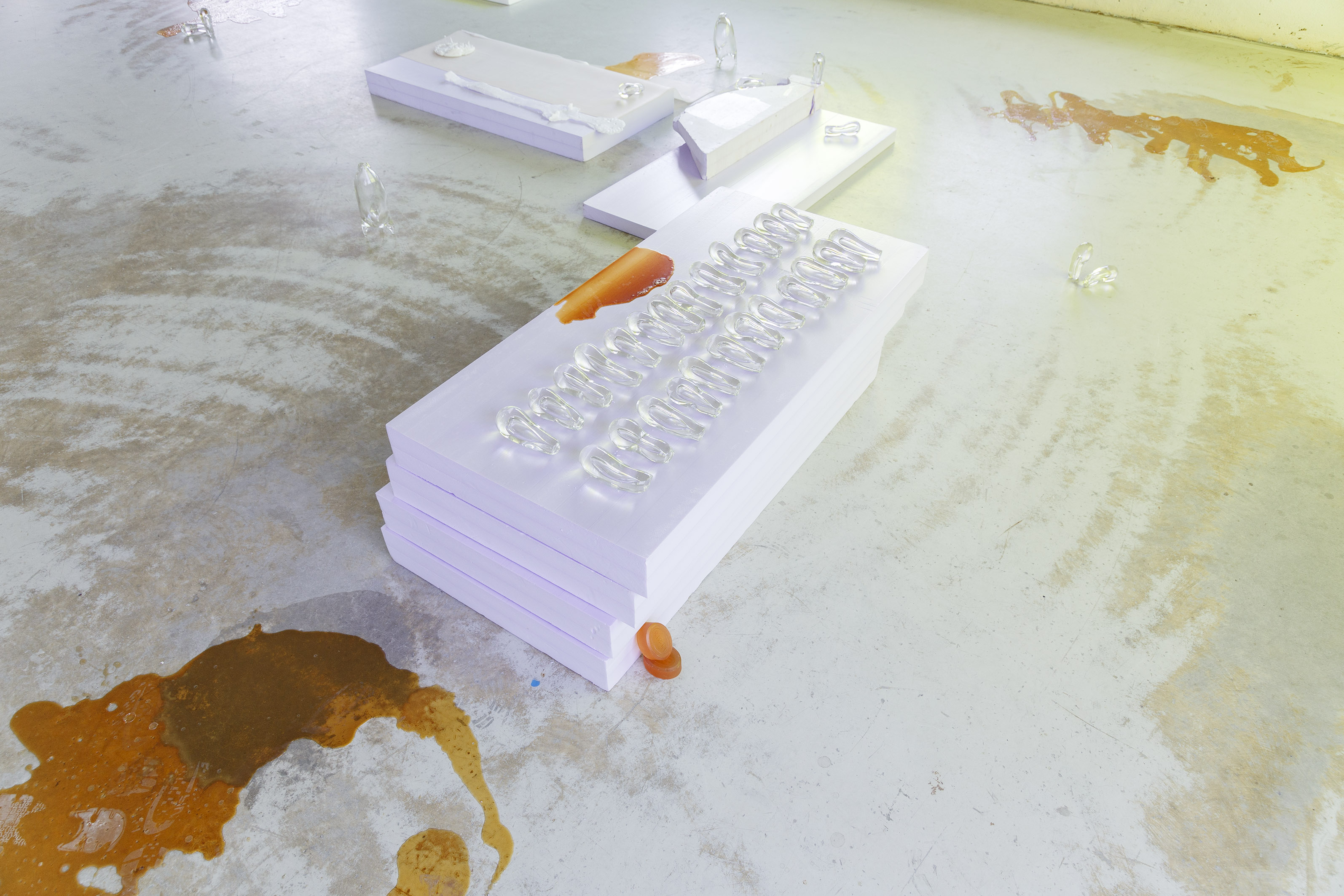
Installation View: Solo exhibition, Gyldenpris Kunsthall, Bergen, 2021











“I asked to see ‘the sample of ectoplasm.’
The librarian looked at me strangely and said, ‘Are you sure? It’s very nasty.’
I thought there might be a desk of shame where I could be supervised so the other readers would not be disturbed.
He said, ‘No, but be discreet.’”*
‘Mother’s Ectoplasm’ moves between the material and immaterial, taking as its point of departure the strange histories of ectoplasm and the desire to give physical form to something that cannot ordinarily be seen.
In early twentieth-century Spiritualism, ectoplasm was described as matter emerging from the bodies of mediums during séances — an unstable substance through which an invisible presence could temporarily assume form. Accounts describe it as translucent, mutable and sometimes luminescent, capable of materialising and disappearing again. Ectoplasm also became closely entangled with photography and scientific attempts to produce evidence of phenomena that resisted ordinary perception.
Marina Warner’s essay Ethereal Body: The Quest for Ectoplasm became part of the research for the exhibition. Warner describes encountering a preserved “sample of ectoplasm” in the archives of the Society for Psychical Research: what remained was a piece of synthetic fabric, yellowing with age and carrying traces of blood. She also draws a connection between the séance and the camera obscura, where an immaterial presence is imagined as leaving a material trace through processes of darkness, light and sensitive surfaces.
The title ‘Mother’s Ectoplasm’ extends this idea of materialisation to the act of making itself. Nel approaches the artist as a kind of medium: a body through which ideas, intuitions, materials and images pass before acquiring physical form. In this sense, the works become her own “ectoplasm” — things brought into being through the process of making — while the exhibition becomes the temporary environment in which they take shape.
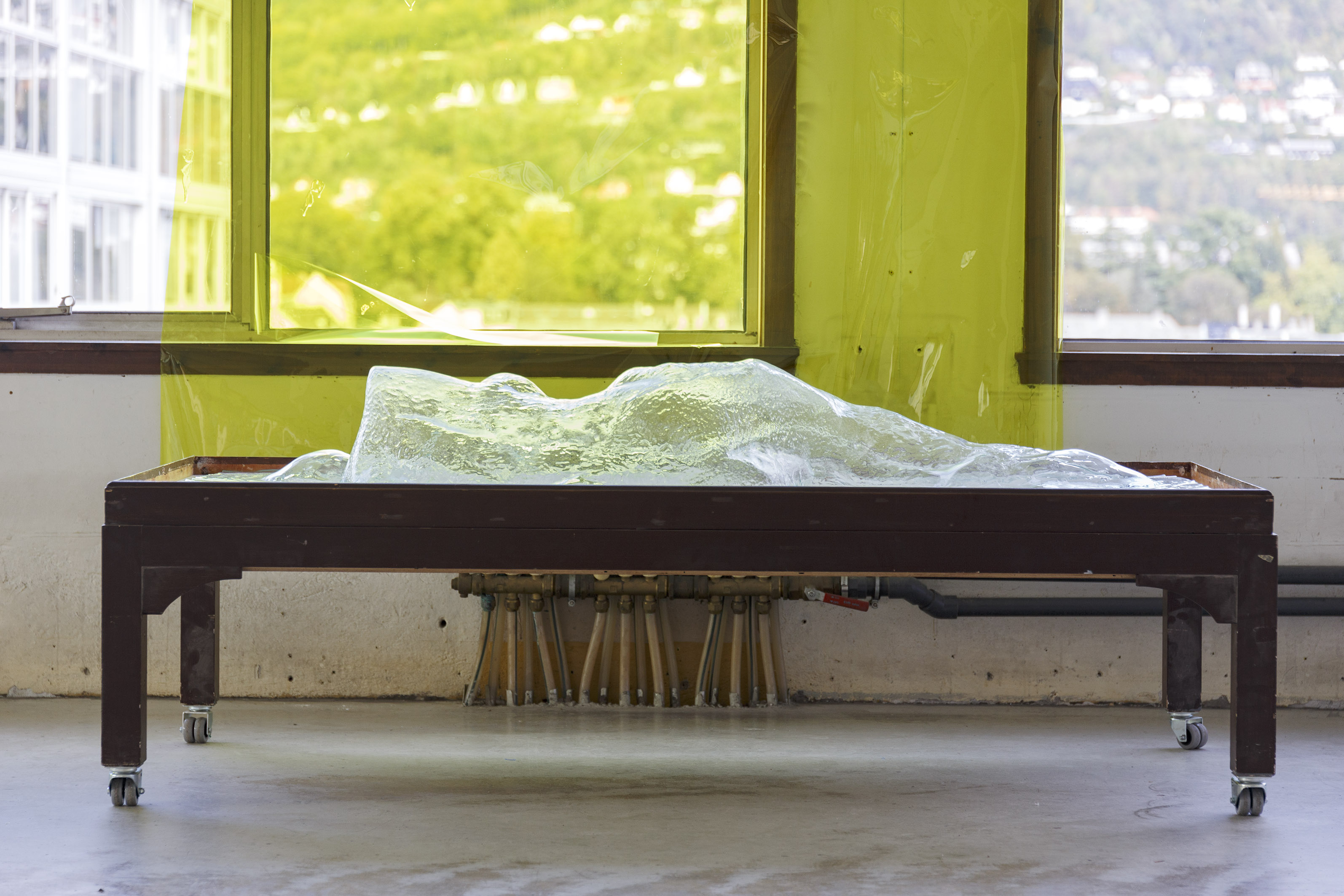
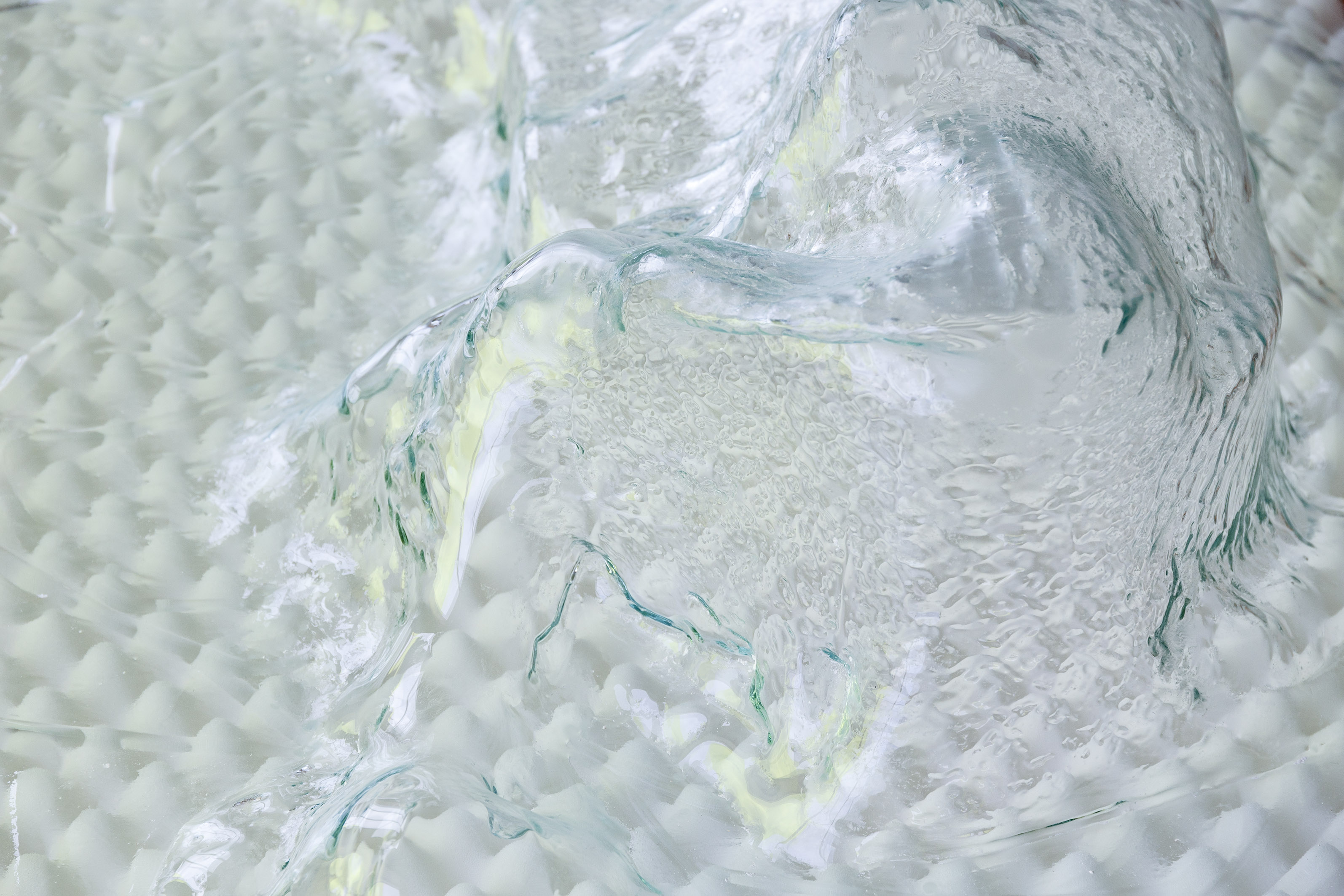
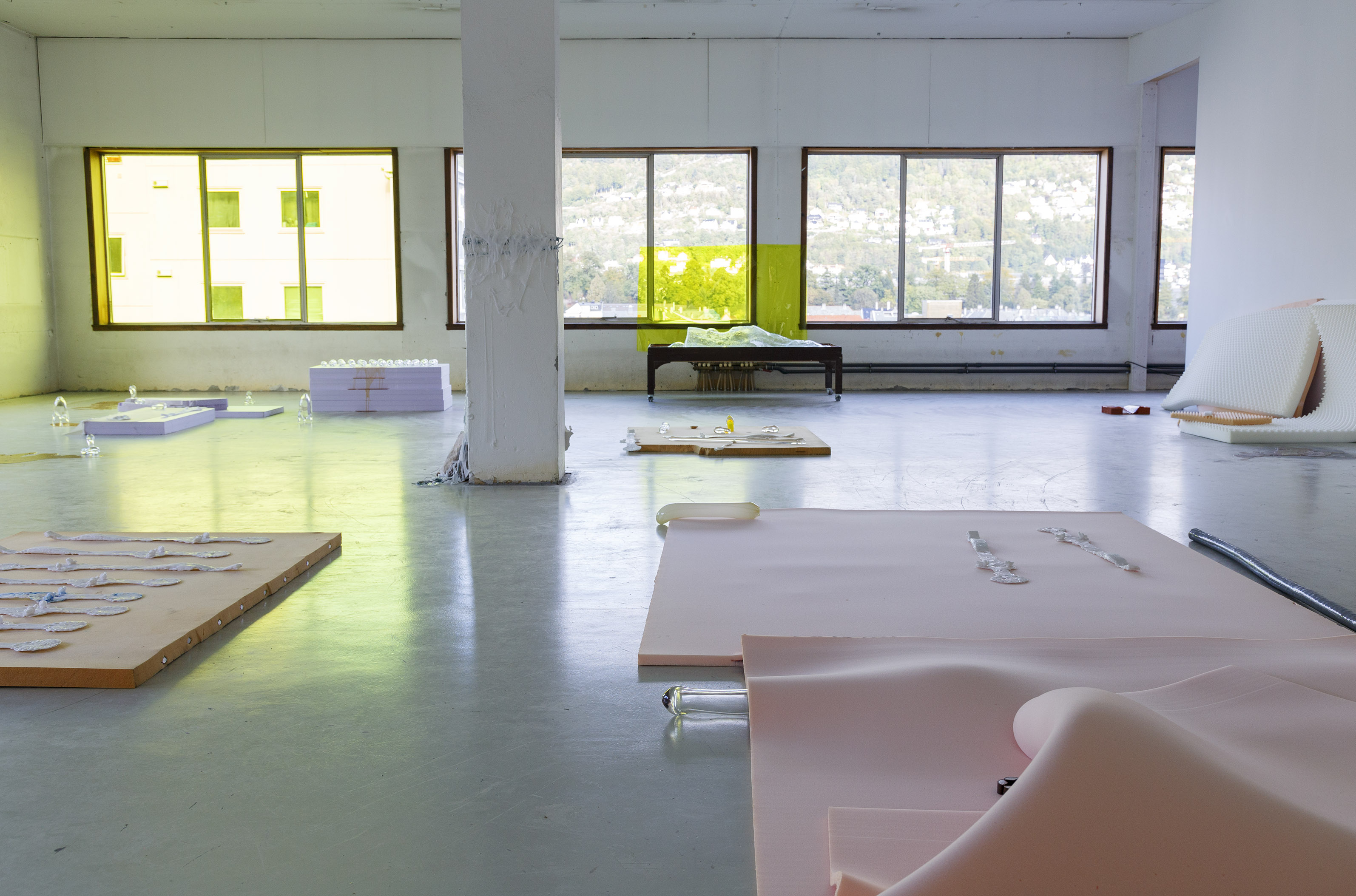
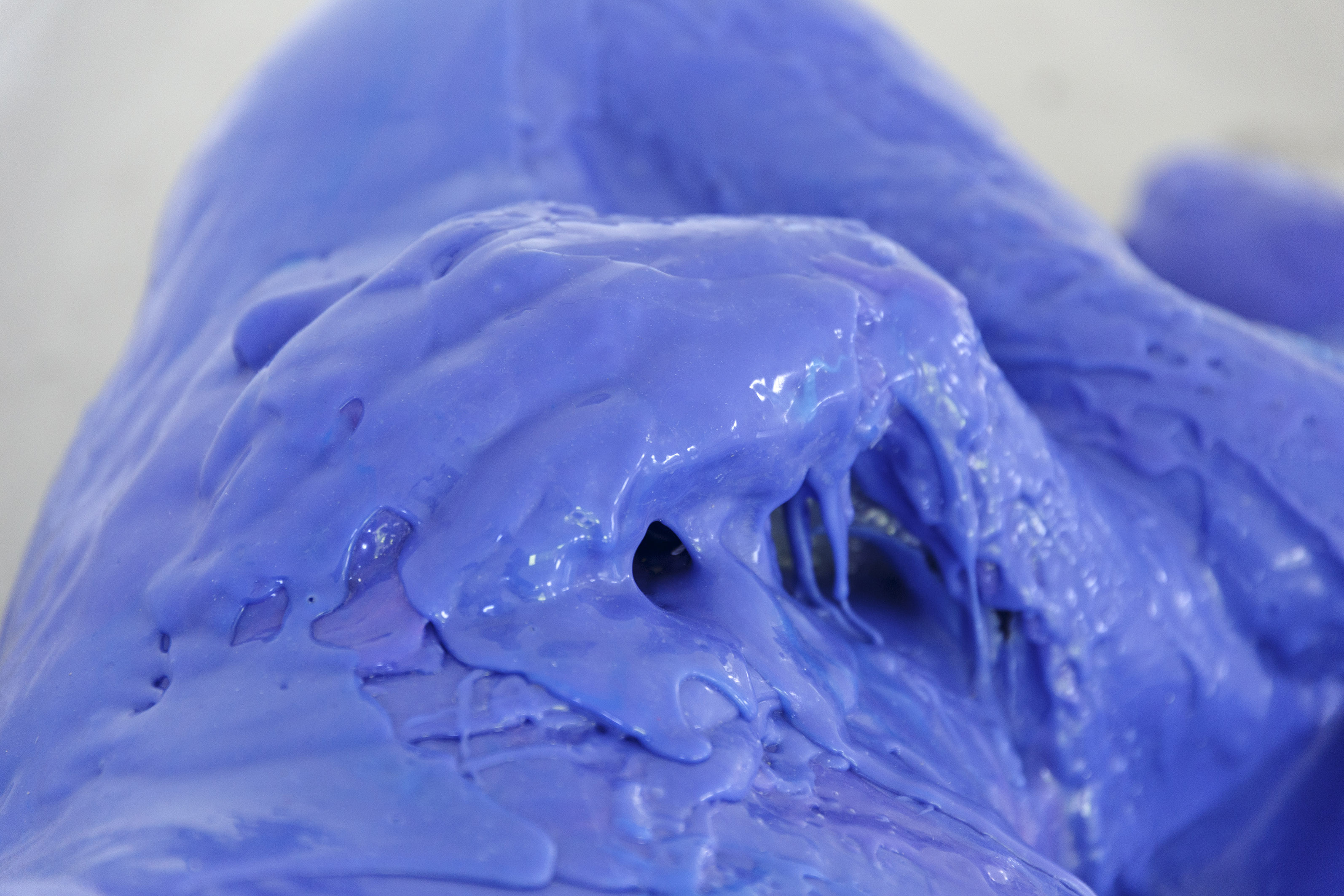
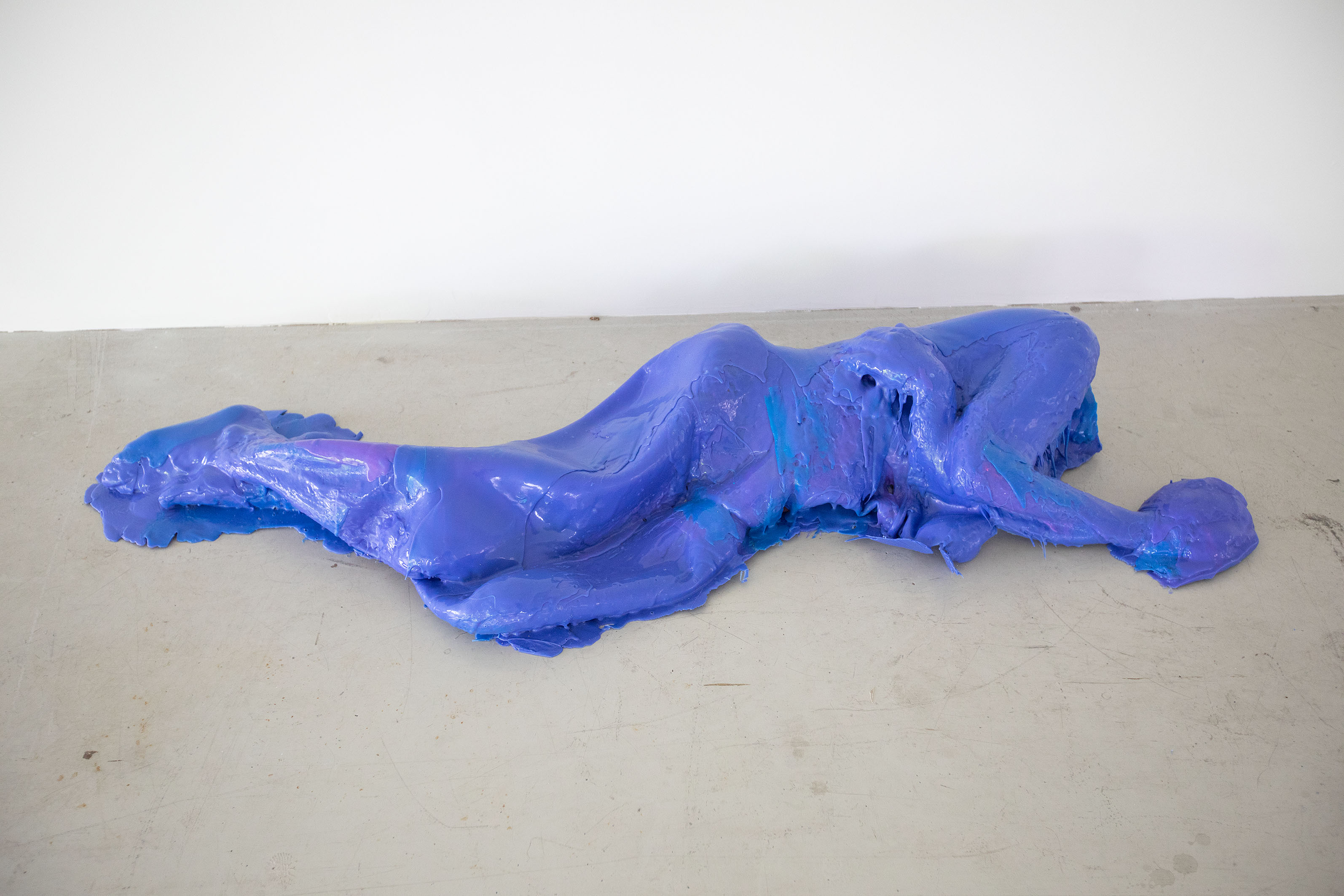
At the centre of the exhibition is Mother’s Ectoplasm, a large glass sculpture resembling a sunken, headless female figure. Activated by changing light in the gallery, the body shifts perceptually between figure, mountain landscape and ice-like formation. The human form becomes unstable, moving between body, matter and landscape.
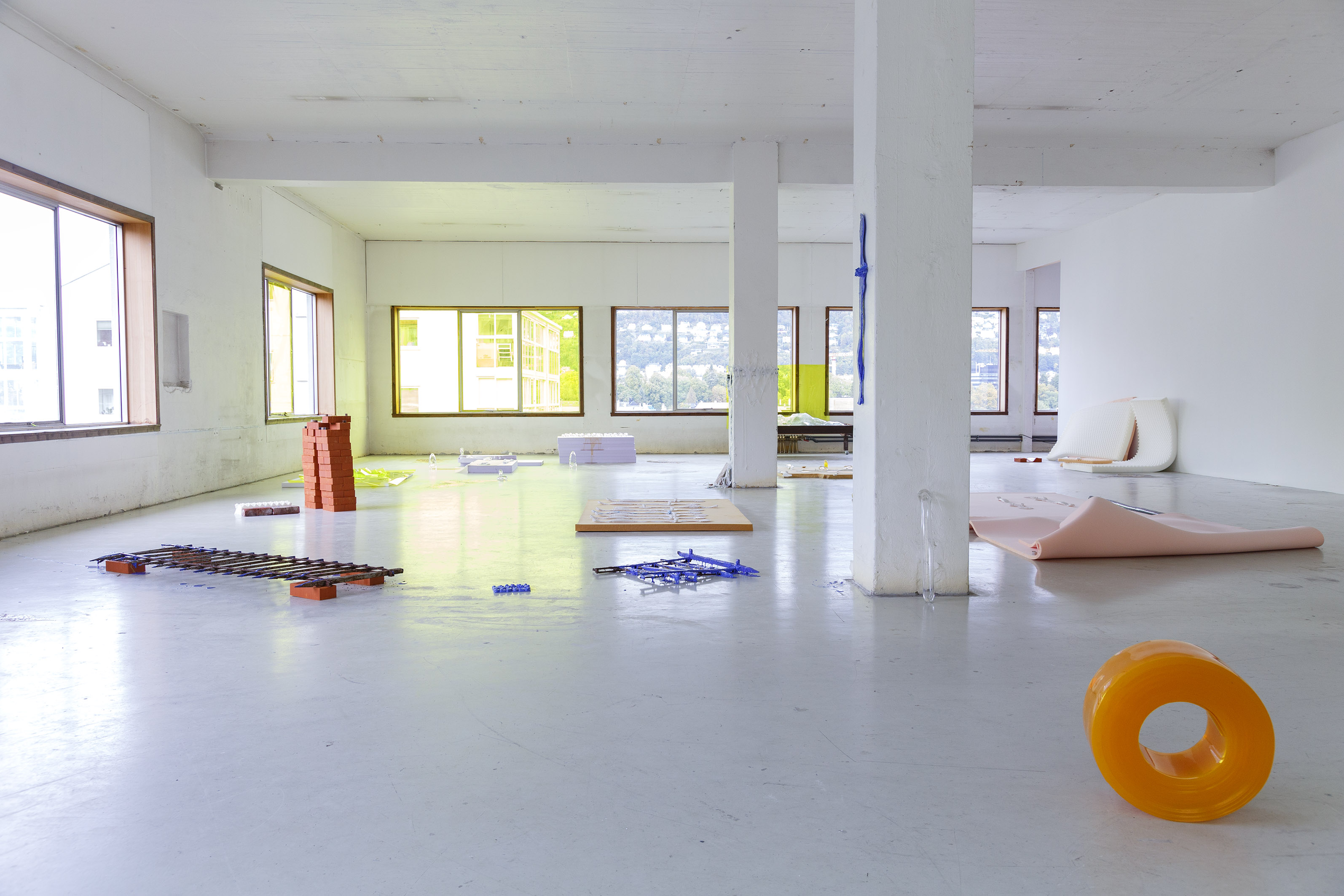
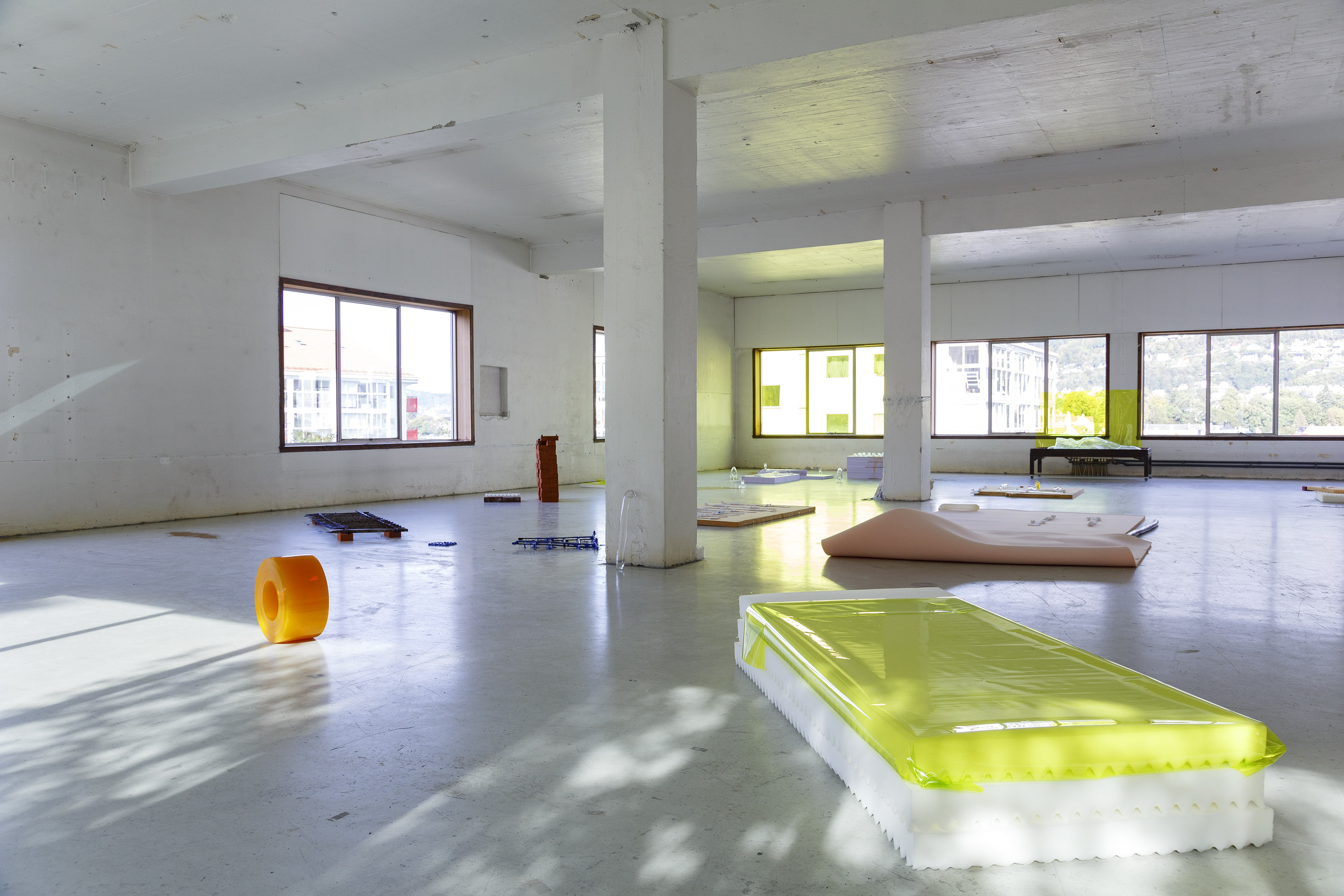
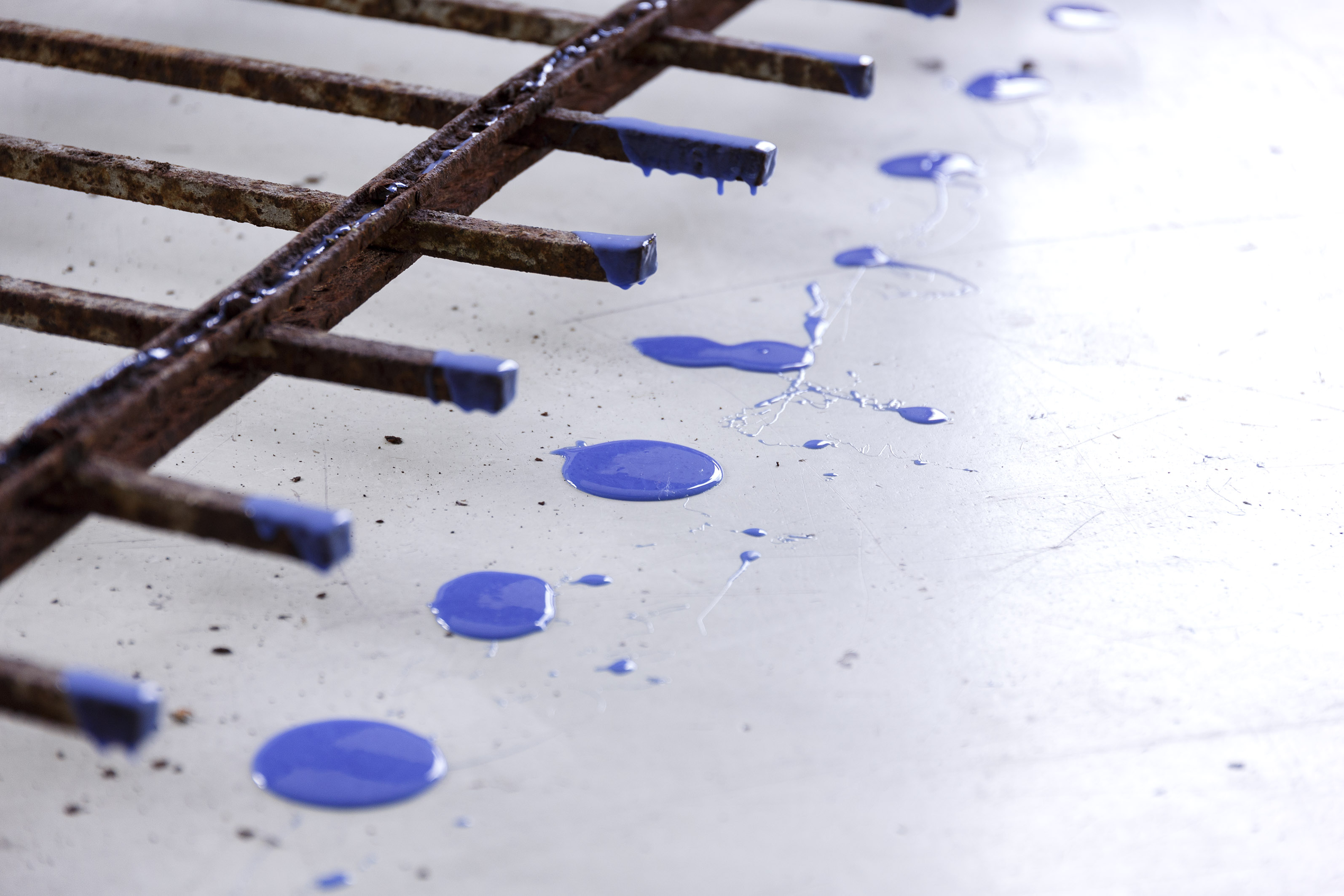
Elsewhere, small traces of “ectoplasm” appear throughout the exhibition as suggestions of an unseen presence. Sound, light, glass and other materials operate less as representations than as sensory cues, allowing forms to emerge, disappear and shift according to the viewer’s position and perception.
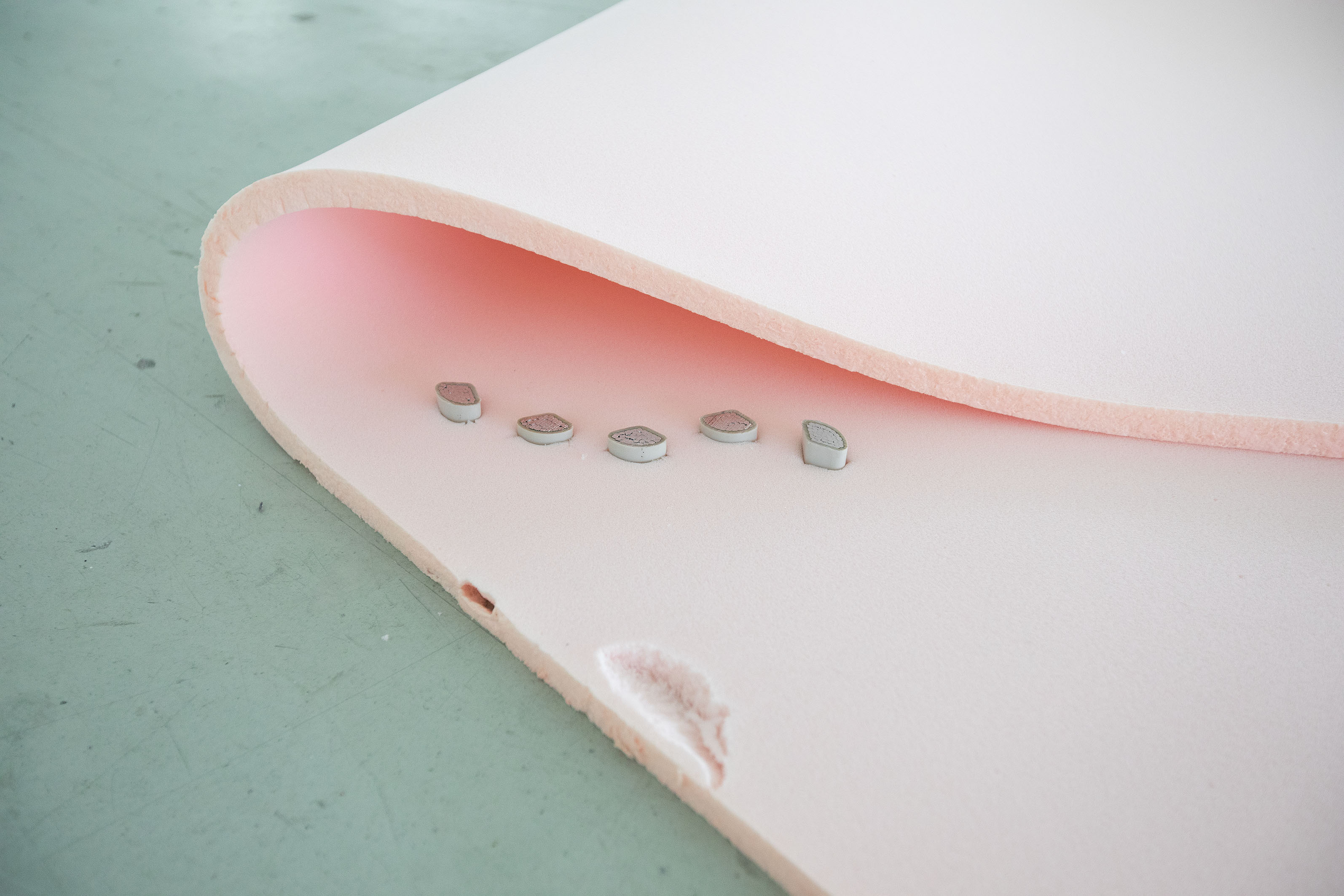
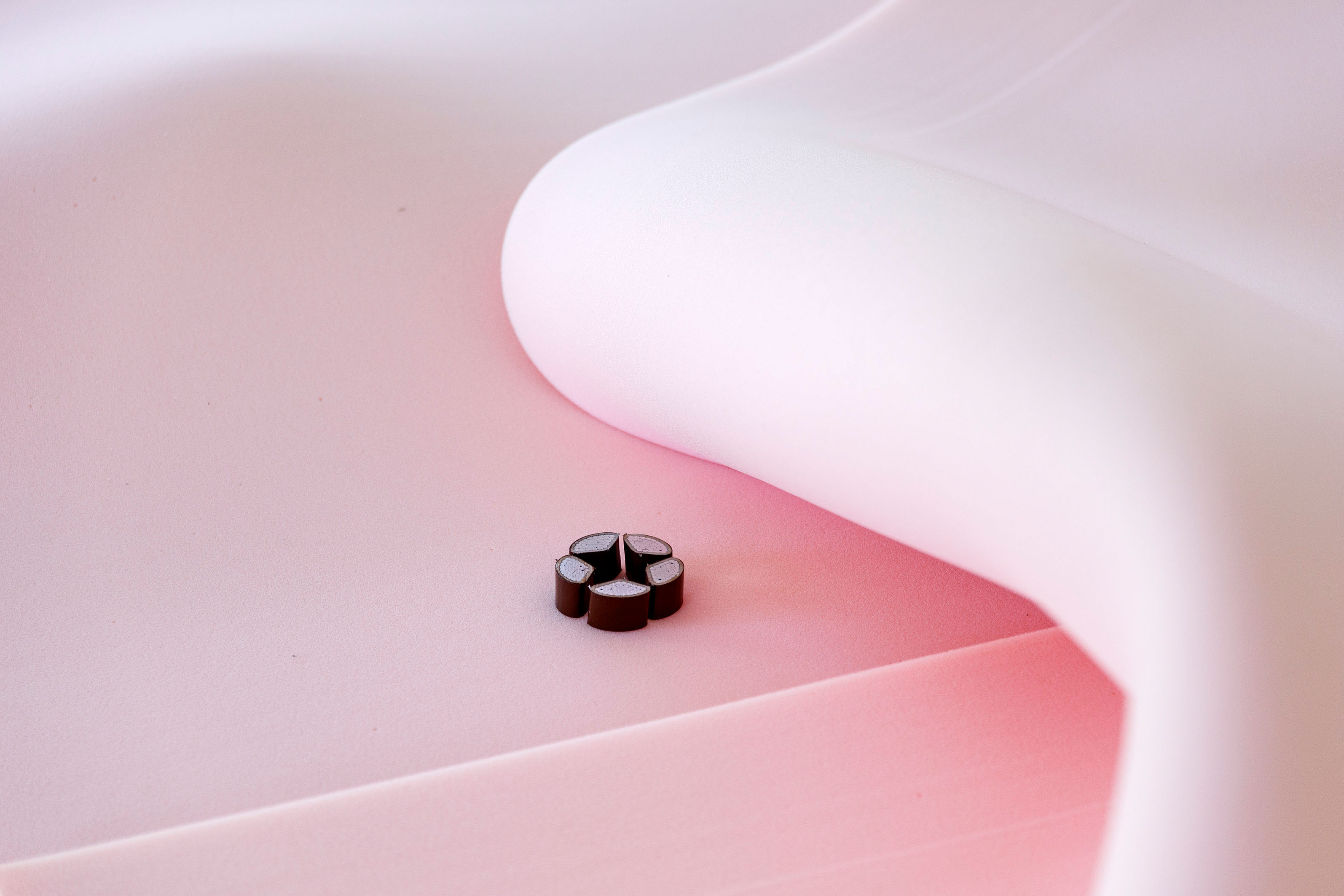
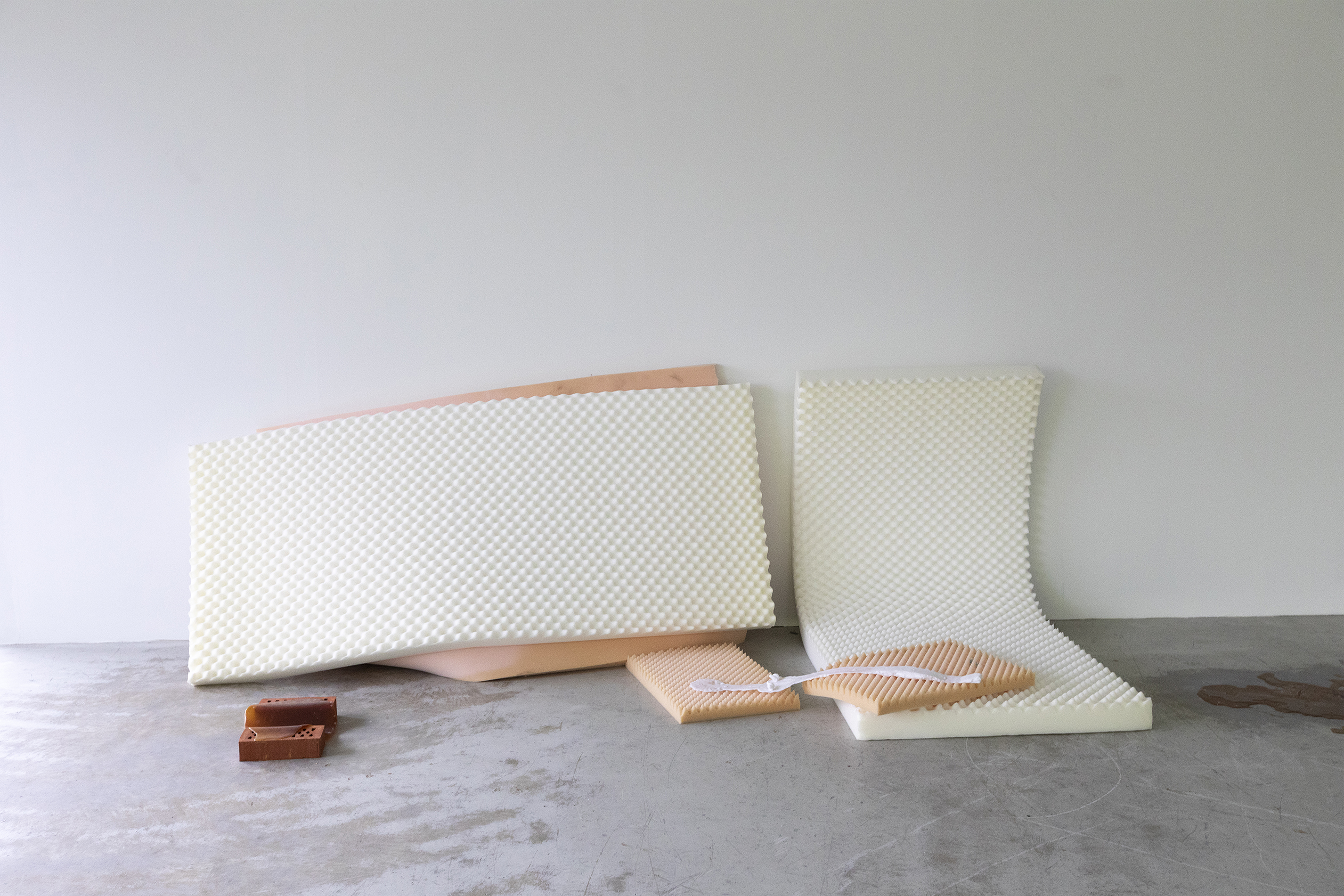
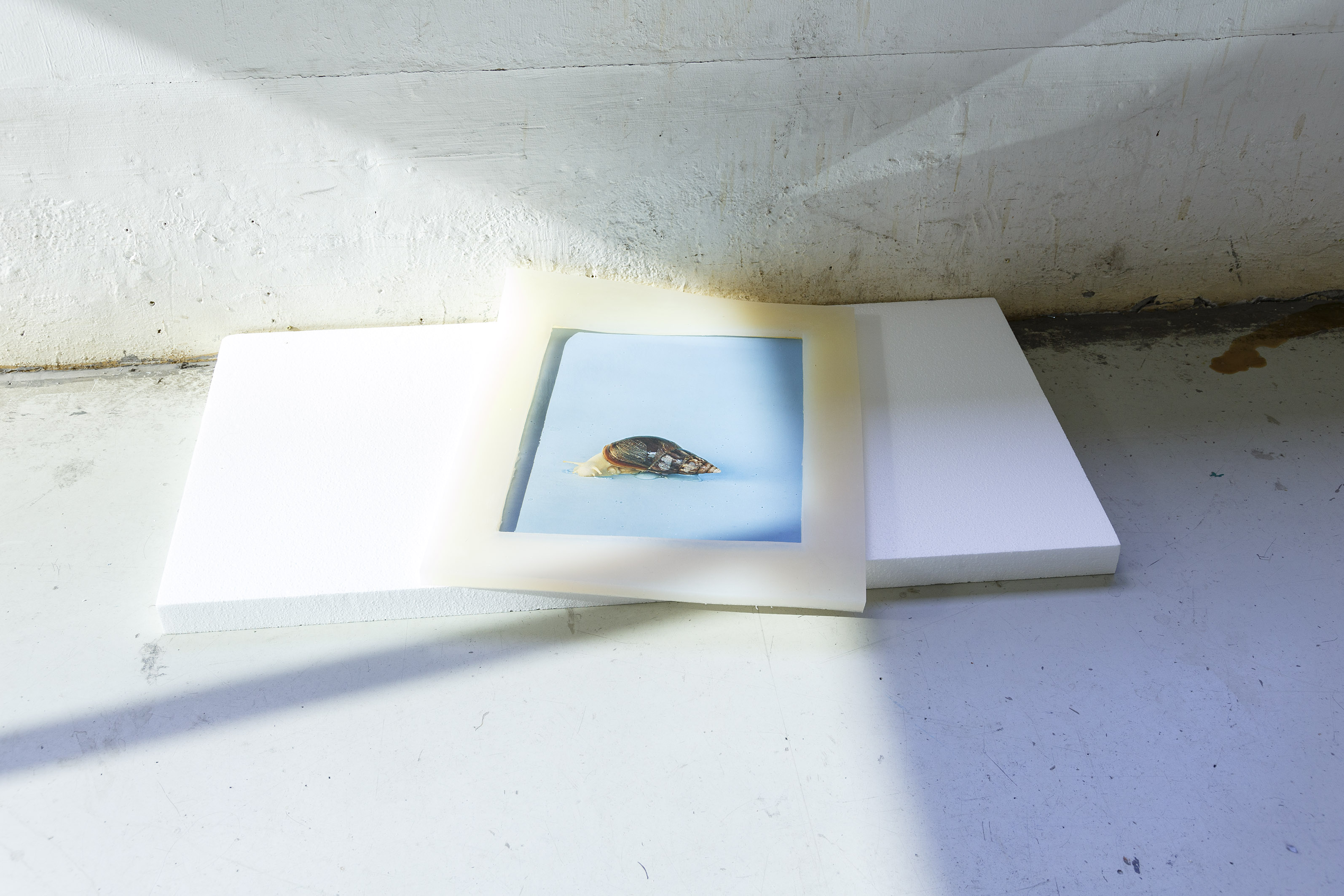
This photographic logic continues through the materials themselves. In Advice of Ancestors, daylight entering through the windows gradually stains and alters pink foam, while objects interrupt the exposure and leave ghost-like impressions behind. The foam becomes both surface and recording device, retaining evidence of light, objects and previous configurations while also absorbing sound and subtly altering the acoustics of the room.
Treating the exhibition space as a kind of sketchbook, Nel developed Mother’s Ectoplasm as a site-responsive environment in which reality and imagination overlap. Across the exhibition, distinctions between image and object, body and landscape, presence and absence remain unstable, as matter itself begins to behave photographically.